
Eco-Friendly Construction Practices in Boerne TX and Surrounding Areas
Eco-friendly construction practices in Boerne TX and surrounding areas focus on reducing environmental impact while improving building efficiency, durability, and comfort. These practices emphasize responsible material selection, energy efficiency, waste reduction, and long-term sustainability. As environmental awareness grows, sustainable construction has become an important approach for residential and commercial projects seeking to balance performance with environmental responsibility.
What Are Eco-Friendly Construction Practices?
Eco-friendly construction practices are building methods designed to minimize environmental impact throughout the construction lifecycle. These practices involve using sustainable materials, reducing waste, conserving energy, and improving indoor environmental quality. The goal is to create structures that are efficient, durable, and environmentally responsible without compromising functionality or aesthetics.
Why Are Sustainable Construction Practices Important Today?
Sustainable construction practices are important because traditional building methods often consume excessive resources and generate significant waste. Eco-friendly approaches help reduce energy consumption, lower greenhouse gas emissions, and preserve natural resources. These practices also support healthier living and working environments, making them increasingly valuable in modern construction projects.
How Do Eco-Friendly Materials Improve Construction Outcomes?
Eco-friendly materials improve construction outcomes by offering durability, energy efficiency, and reduced environmental impact. Materials such as recycled components, responsibly sourced wood, and low-emission products enhance building performance while supporting sustainability goals. Using these materials also contributes to better indoor air quality and long-term cost savings.
What Role Does Energy Efficiency Play in Green Construction?
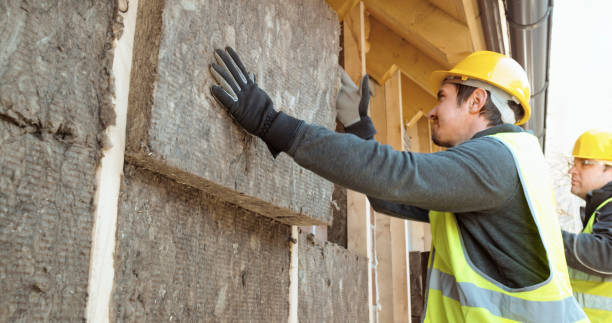
Energy efficiency is a core component of eco-friendly construction practices. Efficient insulation, lighting, and HVAC systems reduce energy usage and operational costs. By designing buildings that optimize energy consumption, sustainable construction minimizes environmental impact while providing consistent comfort for occupants.
How Does Waste Reduction Fit Into Eco-Friendly Construction?
Waste reduction is a key element of sustainable building practices. Construction projects generate large amounts of waste, but eco-friendly approaches focus on reusing materials, recycling debris, and minimizing excess. Reducing waste not only conserves resources but also lowers disposal costs and environmental harm.
Can Eco-Friendly Construction Improve Indoor Comfort?
Yes, eco-friendly construction practices can significantly improve indoor comfort. Proper insulation, natural ventilation, and low-emission materials contribute to better temperature regulation and air quality. These features create healthier and more comfortable indoor environments for occupants.
How Do Eco-Friendly Practices Support Long-Term Cost Savings?
Eco-friendly construction supports long-term cost savings through reduced energy and maintenance expenses. While initial investments may be higher, efficient systems and durable materials lower operating costs over time. These savings make sustainable construction a financially sound choice for many property owners.
What Impact Do Sustainable Practices Have on Property Value?
Sustainable construction practices often enhance property value by increasing efficiency, durability, and market appeal. Eco-friendly buildings are attractive to buyers and tenants who prioritize energy efficiency and environmental responsibility. This increased demand can lead to higher resale and rental values.
How Can Builders Incorporate Sustainability Into New Projects?
Builders can incorporate sustainability by planning projects with energy efficiency, material selection, and waste management in mind. Early design decisions play a significant role in determining environmental impact. Integrating sustainable practices from the start ensures better performance and compliance with green building standards.
When Should Eco-Friendly Construction Practices Be Considered?
Eco-friendly construction practices should be considered at the earliest stages of planning and design. Incorporating sustainability from the beginning allows for seamless integration of efficient systems and materials. Early adoption ensures maximum environmental and economic benefits throughout the building’s lifecycle.
Final Thoughts
Eco-friendly construction practices offer a responsible and forward-thinking approach to modern building projects. By prioritizing sustainability, energy efficiency, and waste reduction, these practices create durable, comfortable, and environmentally conscious structures. Investing in green construction supports long-term value, healthier environments, and a more sustainable future.
What makes a construction practice eco-friendly?
It involves minimizing environmental impact through sustainable materials, energy efficiency, and waste reduction.
Are eco-friendly buildings more expensive to build?
Initial costs may be higher, but long-term savings often offset the investment.
Do sustainable materials affect indoor air quality?
Yes, many eco-friendly materials improve indoor air quality by reducing emissions.
Can existing buildings adopt eco-friendly construction methods?
Yes, sustainable practices can be applied through renovations and upgrades.
Do eco-friendly buildings require special maintenance?
They typically require standard maintenance, often with lower long-term costs.